

jili mines tricks | Exploring the Unlikely Fusion: 'Customer Support' as a Game Category with 'Jili Mines Tricks'
In the ever-evolving landscape of digital entertainment, the boundaries of traditional game categories are being redefined. One such example of this evolution is the emerging game category of 'Customer Support', which surprisingly incorporates dynamic gameplay elements, such as those found in 'Jili Mines Tricks'. This innovative fusion might sound unconventional at first, but it represents a growing trend where educational and professional skills intersect with entertainment.
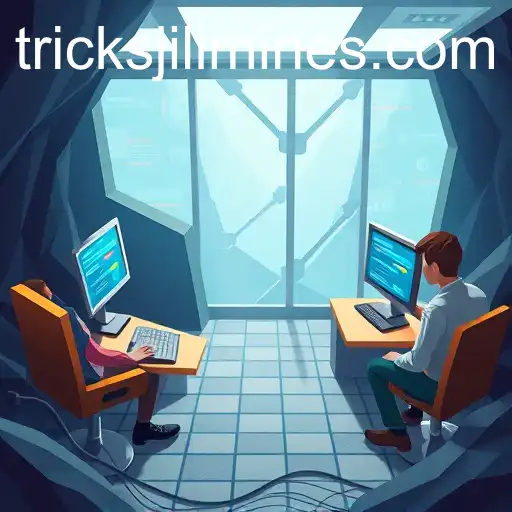
At its core, 'Customer Support' as a game category aims to simulate real-world scenarios where players engage in customer service roles, tackling challenges that customer support professionals typically face. These games are designed not only to entertain but also to educate players about problem-solving, empathy, and effective communication strategies. 'Jili Mines Tricks' serves as a keyword in this new genre, guiding players through intricate puzzles and customer interactions that require strategic thinking and clever resolutions.
The 'Jili Mines Tricks' component specifically adds a layer of complexity to the mechanics. Inspired by logic puzzle games and classic mining strategy games, it requires players to manage resources and navigate through a series of challenges that mirror the real-life unpredictability of customer inquiries. Players must employ tricks and tactics to satisfy customers' demands, much like navigating the minesweeper grid, where every move entails risk assessment and strategic foresight.
This hybrid approach appeals to a variety of players. For those who thrive on strategy and problem-solving, 'Jili Mines Tricks' offers an engaging experience that mimics the thrill of uncovering hidden solutions in a high-pressure environment. On the other hand, players interested in vocational training gain valuable insights into the field of customer support, learning the nuances of handling complaints and delivering satisfactory resolutions.
While this 'Customer Support' game genre with 'Jili Mines Tricks' might still be in its nascent stages, it signifies a broader trend of gamification extending into professional skills training. Game developers are increasingly recognizing the potential educational value games can provide, leading to the creation of simulations that benefit both individual skills and professional growth. As this trend progresses, we might see more games integrating elements that draw from real-world professions, thereby further narrowing the gap between entertainment and education.
In conclusion, 'Customer Support' games with 'Jili Mines Tricks' showcase a novel trajectory in the gaming world. By merging professional skill-building with interactive play, they create opportunities for personal growth while maintaining the core essence of gaming - fun and engagement. While the journey is just beginning, the possibilities in this innovative intersection of digital spheres are endless.
